
Designated Cultural Districts
| Name | Region |
|---|---|
| Marlborough Downtown Village Cultural District | Central |
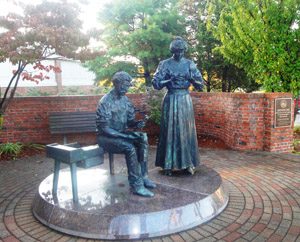
Location: Marlborough Description: The Marlborough Downtown Village Cultural District -- referred to as the "cultural heart" of the city -- is an architecturally attractive, ethnically diverse, and inviting area that is easily accessible by bus, car, bike, and foot. The downtown's cultural assets are enjoyed by residents from all parts of the city, and cultural stakeholders have endeavored to increase Downtown Marlborough's profile across the region and further expand upon its natural assets. Most notable to the cityscape are the many steeples and spires of City Hall and area churches that characterize a skyline which has remained visually unaltered since their construction. Marlborough Downtown Village, Olde Marlborough and Marlborough Regional Chamber of Commerce are three groups that promote the arts, history, and creative economy within the City and the region. It is comprised predominantly of service-related businesses, including a robust selection of restaurants representing a variety of cuisines, barber shops, CPAs, law offices, and printing companies. Marlborough's Cultural District encompasses the building blocks to a blossoming cultural district in ways that are authentic to the city. |
|
| Salisbury Cultural District | Central |
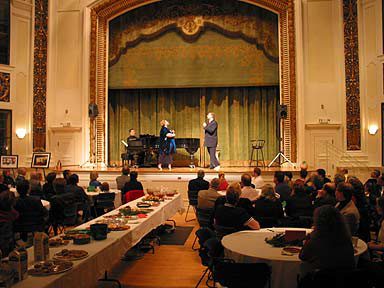
Location: Worcester Description: Worcester's Salisbury Cultural District is conveniently located near Interstates I-190 and I-290 adjacent to the city's historic Lincoln Square. Within a two block radius of this Lincoln Square keystone a dozen historically significant cultural and civic buildings stand. The district includes cultural institutions such as: the Worcester Art Museum; the American Antiquarian Society; Tuckerman Hall (home to the Massachusetts Symphony Orchestra); the historic Salisbury Mansion; and the main campus of Worcester Polytechnic Institute (WPI). It includes Institute Park (with its Levenson Concert Stage and Gazebo) and Salisbury Pond (a historic mill pond fed by Mill Brook, one of the water sources for the Blackstone Canal which once connected Worcester to Providence, RI). The district is home to six Houses of Worship (including the Armenian Church of our Saviour, the oldest Armenian congregation in America); 17 restaurants; 6 specialty galleries/gift shops; over 50 adaptively re-used properties; and 10 National Historic Register buildings. These entities collectively host over 1000 community events annually.Nearby attractions include the Worcester Center for Crafts, Bancroft Tower, the Sprinkler Factory, Worcester's historic Northworks mill and Rural Cemetery, as well as Worcester State University's Sagamore Road Studios and WPI's Life Science incubator labs at Gateway Park.The District takes its name from the Salisbury family, whose history as merchants, entrepreneurs, gentlemen-farmers, founders and benefactors of arts, cultural and civic institutions in Worcester is unparalleled and dates back to 1767. The district includes both the relocated historic Salisbury Mansion and Salisbury House, as well as several of the institutions the Salisbury family played a significant role in nurturing - the Worcester Art Museum (WAM), Worcester Polytechnic Institute (WPI), and the American Antiquarian Society (AAS). With sidewalks, crosswalks, bicycle paths, lighting, ample shade trees, historic buildings and an attractive natural and built environment, the district is safely and pleasantly walkable. Around every corner Worcester's vibrant past and visions for its creative future are revealed. |
|