Power of Culture Blog
Prescribing Culture: Changing Health Outcomes at MA Community Health Centers
A majority of patients reported improved mental health and well-being after participating in arts and culture experiences
Timothea Pham, Program Officer
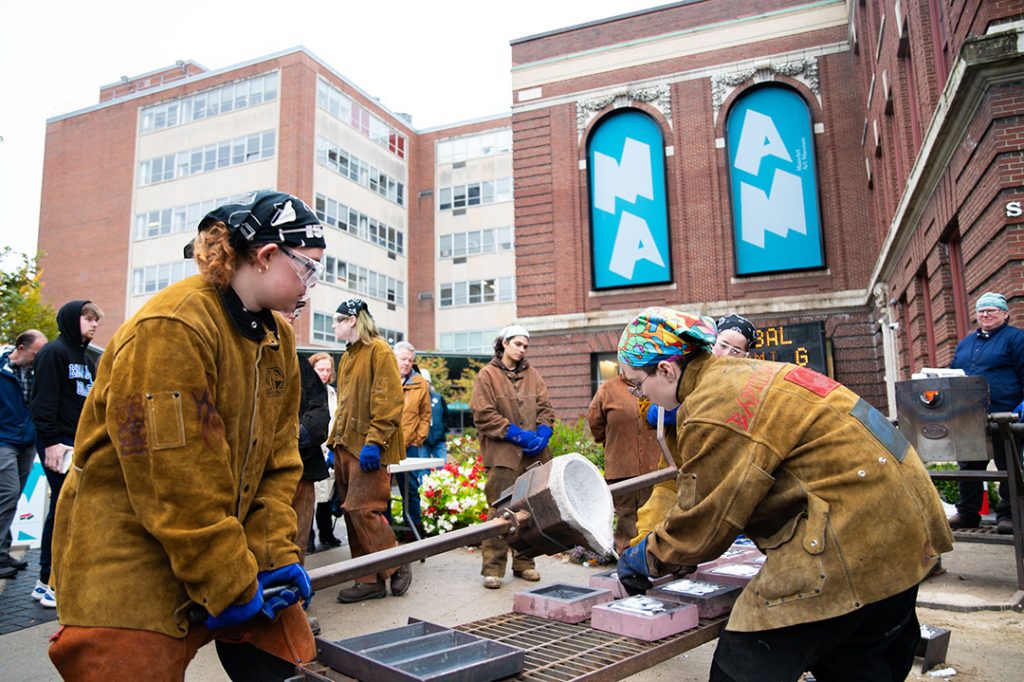
Our vibrant network of 58 state-designated Cultural Districts across Massachusetts create moments their communities look forward to each year, from festivals and open studios to performances and evening art walks. Over time these dates on a calendar truly become part of how people experience, understand, and connect with the places where they live.
Celebrating its 25th anniversary this year, Opening Our Doors, the Fenway Alliance‘s free one-day festival, has been recognized as an inspiration for the City of Boston’s new Boston Family Days, a program giving families free access to cultural institutions, many of which are located in the Fenway.
For Kelly Brilliant and Genevieve Day, Co-Executive Directors of the Fenway Alliance, that recognition was a real milestone. It showed how festivals “can serve as platforms for broader impact…cultivating ambassadors across sectors, supporting artists as part of the local economy, and contributing to long-term neighborhood vitality” – even “inspiring cultural policy on the municipal level.”
Mass Cultural Council sees this across many of our Cultural Districts. An event or weekly series can build cross-sector relationships, support artists, and strengthen people’s connection to their community. Their programs can also shape how a municipality understands who is creating culture and for whom.
The Fenway Alliance celebrates 25 years of Opening Our Doors on October 12, 2026.
What has kept Opening Our Doors going for this length of time? It is a question the Fenway Alliance explores here alongside Cultural District leaders in the Berkshires, Springfield, and Gloucester – each of whom have spent time introducing and building community traditions of their own.
How it began
Kelly was the new Director to the Fenway Alliance when she was inspired by a gesture at the Museum of Fine Arts (MFA). Under the direction of Malcolm Rogers, the museum had reopened its long-closed front doors on Huntington Avenue to the public, a move Kelly saw as both symbolic and very real. She named their festival Opening Our Doors in honor of that decision.
She recognized a larger need in Boston to make culture and the arts more accessible to the public. A free, one-day public festival felt like, “a logical way for Fenway Alliance institutions to give back to the City.”
Several early decisions still shape the festival today. The event would remain free, because, “free would be important for true access.” It would take place on Indigenous Peoples Day, when the MFA has always opened its doors to the public at no charge, and as Kelly put it, the festival is “something you wait for and put on your calendar knowing it comes but once a year.”
Other major institutions in the Fenway Cultural District supported the idea from the beginning. The First Church of Christ, Scientist, Boston Symphony Orchestra, New England Conservatory, Huntington Theatre, Northeastern University, MFA, MassArt, Isabella Stewart Gardner Museum, and Wheelock Family Theatre were among the early participants.
“And they all brought their ‘A’ game!” Kelly said. “The care and staff time they continue to invest in one day of free programming has always astounded me.”
Why it has lasted
Kelly and Genevieve credit much of the festival’s longevity to trusting their partners to lead. The key, they said, is to allow for proactive creativity from festival partners. To not dictate the program offerings but truly co-create the experience.
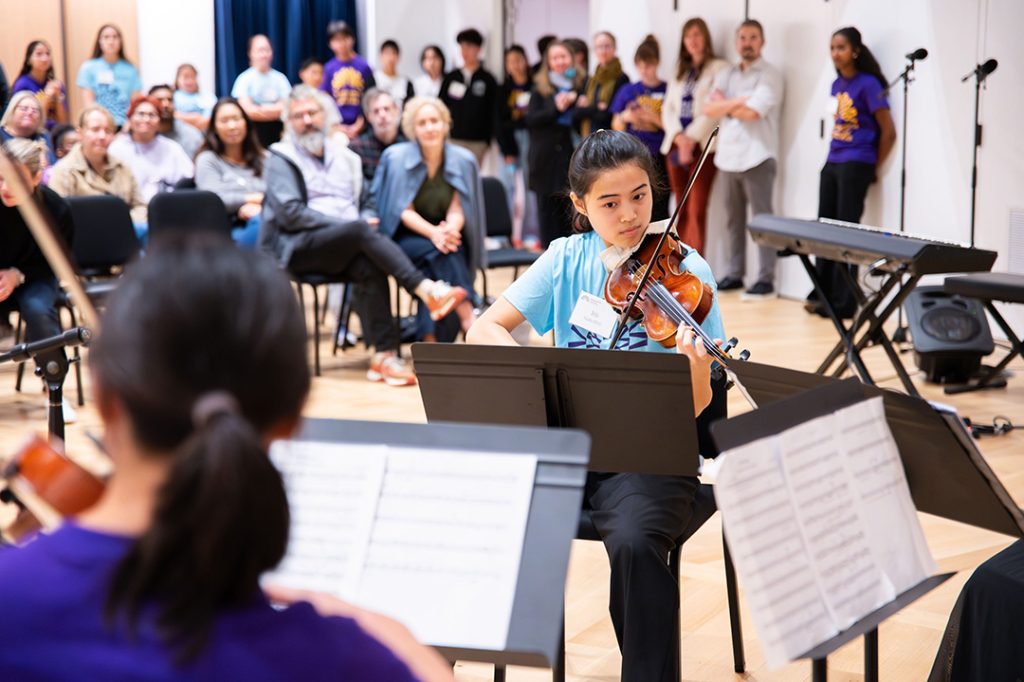
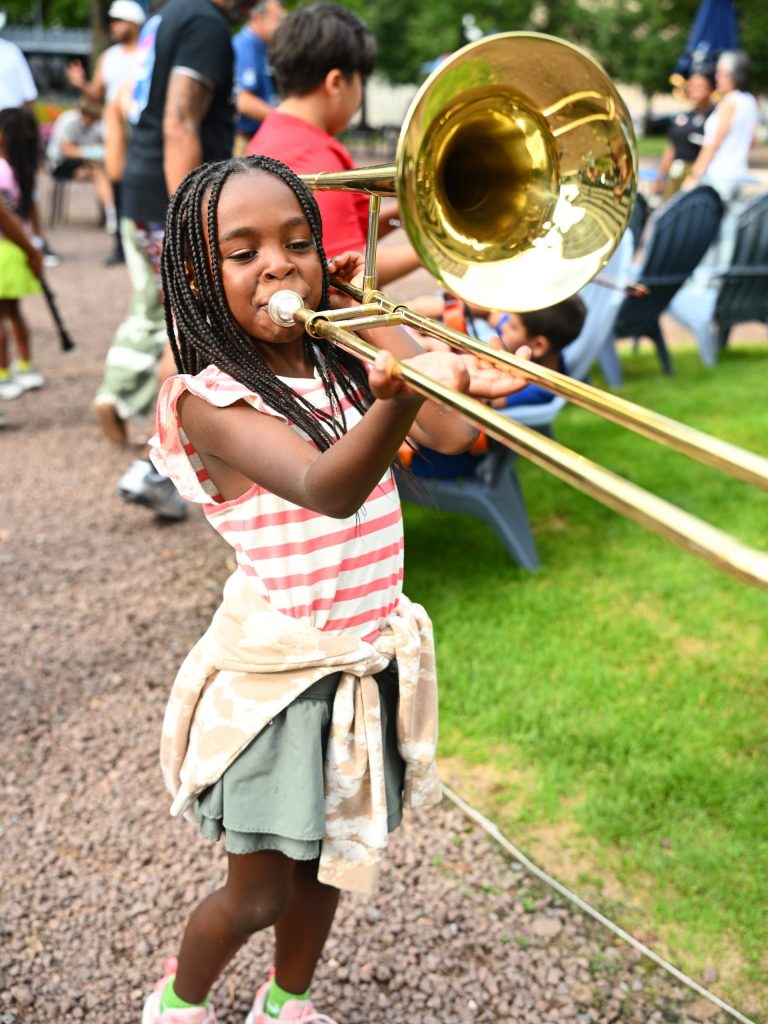
Many festival activities are participatory, giving children the chance to make art and take part in performances.
A major turning point came when the Alliance began inviting community arts organizations and a diversity of local artists to take part.
This shifted the festival beyond a showcase of the Fenway’s major institutions and into a platform that invests in Boston’s broader creative community. Many of these partnerships have lasted more than a decade, and some, like SIDEPresents, have grown from single performances into curatorial roles and new relationships with Alliance member institutions.
More recently, the Alliance’s partnership with SIDEPresents “has brought a freshness and relevance to the festival,” particularly through programming that references Indigenous cultures, which the Alliance highlights in its messaging and marketing.
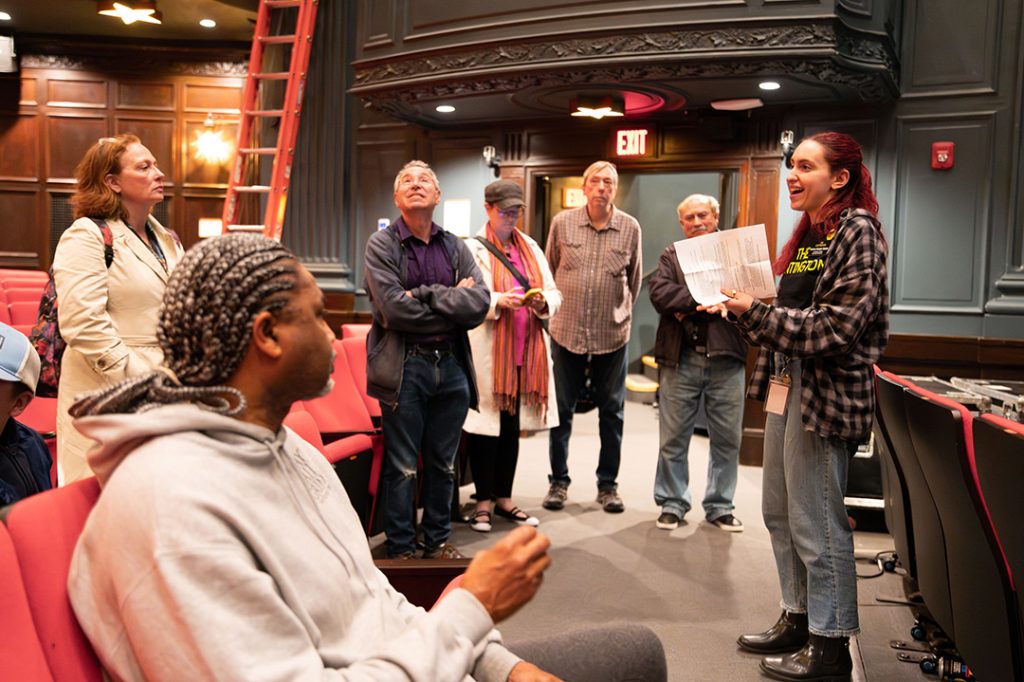
Staying true to the mission
The festival has changed over 25 years, but its central challenge has not.
“Access to the arts is and remains a challenge in Boston, and elsewhere,” said Kelly.
Over the past decade, the Alliance has also committed to paying the artists who contribute to the festival, and Fenway Alliance institutions continue to give their time, spaces, and resources in-kind.
What sustains the partnerships
Kelly and Genevieve are candid about the work behind the scenes.
“Rigorous organization helps,” they said. “Much of festival work is far from glamorous.”
They also emphasized that arts administrators – just as artists – should be paid for their work on community events.
Their approach to partnerships leaves room for testing and learning. They often try a new partnership for a year, then evaluate what worked and what did not.
“It is not a failure to admit a partnership didn’t work out for any variety of reasons,” they said.
This approach has helped them build what they describe as “exceptionally longstanding trusted partners we work with year after year.”
Reaching beyond the Fenway
Local leaders and elected officials have long taken part in the festival’s kickoff. Their participation connects them directly with the community and has helped build broad support for the festival over time.
That visibility has also allowed Opening Our Doors to influence broader conversations about cultural access across the city, like with Mayor Michelle Wu’s Boston Family Days.
What makes them proud
Kelly and Genevieve’s first answer was “Longevity.” Many institutional and community partners have worked with the festival for decades. Performers such as Zili Misik, Boston Children’s Chorus, and Grooversity have participated for more than 10 years.
Their relationship with SIDEPresents began in 2022 with a small grant to manage a stage. “That partnership has now blossomed into a true collaboration,” they said.
Kelly and Genevieve count it among the rewards of their work when organizations they bring into to the festival go on to partner independently with other Fenway institutions (as SIDEPresents did when it produced a Juneteenth celebration at the Gardner Museum).
Above all, they credit the institutions that have made the festival possible year after year: “We could not do what we do without the support of our Fenway Cultural District institutions who have trusted us to produce this festival year in and year out.”
At Mass Cultural Council’s most recent Cultural Districts Check-In, Kelly and Genevieve were joined by several Cultural District leaders who have also built programs their communities now look forward to each year:
These programs differ in scale, structure, and setting, but their leaders described many of the same lessons learned. They offer five principles for creating lasting community traditions:
When asked what another district should do first, Springfield’s leaders recommended starting with the people and organizations already shaping cultural life in the community.
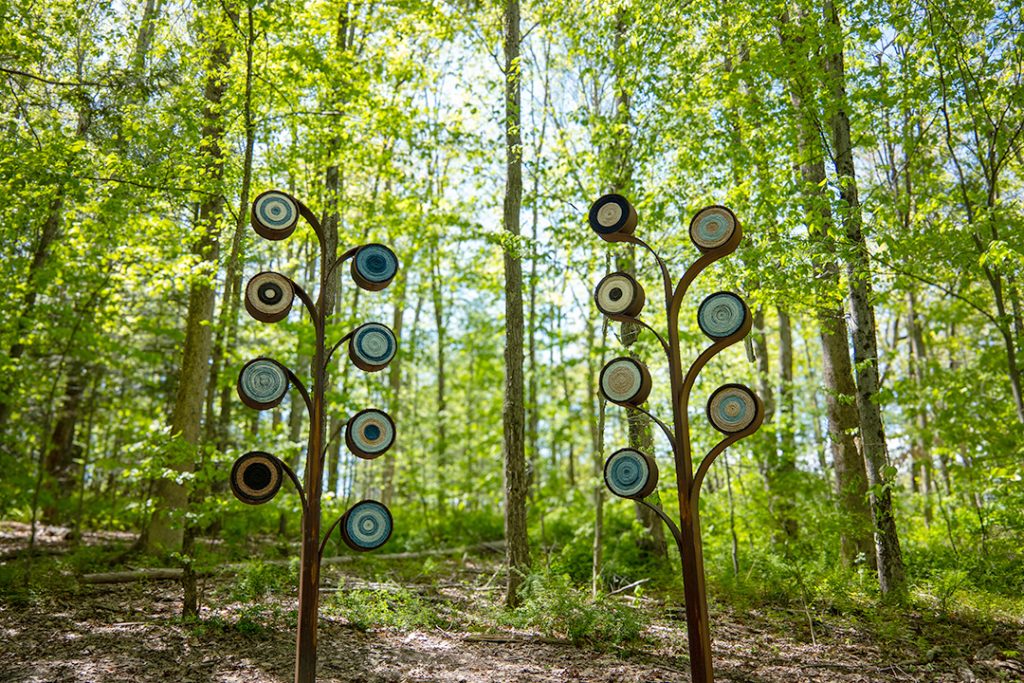
Kali Green, Creative Director of the Springfield Cultural Partnership, encouraged districts to shift the question they ask at the outset. Rather than deciding what programs to create, she suggested asking, “who is already creating culture here, and how can we help them thrive?”
Listening also builds trust. Kali said that when a district is struggling to reach part of its community, working with people who already have strong relationships there can make a meaningful difference.
Karen Finn, the Partnership’s Executive Director, described supporting established partners such as the Stone Soul Festival, which has been part of Springfield’s community for 37 years.
She added that districts do not always need to create new ways to gather input. In Springfield, the Local Cultural Council’s annual pitch night gives the Partnership a chance to hear directly from residents about the projects they want to pursue and the needs they see in their neighborhoods.
Public programs are more likely to last when partners can participate without becoming overextended. For Opening Our Doors, limiting the festival to one day means institutions are not asked to provide free programming for weeks at a time.
The Alliance also keeps its expectations flexible and avoids dictating what partners present. Culture Splash follows a similar approach. Elizabeth Carey, Executive Director of the Rocky Neck Art Colony, explained that businesses and organizations are primarily asked to open their doors and offer an enjoyable experience. Because the request is clear and manageable, participants and visitors return each year.
In some cases, making participation manageable means changing the rules. When the Berkshire Cultural Districts launched ArtWeek Berkshires in 2021, after the statewide ArtWeek Massachusetts initiative ended, they realized their shared budget could not initially support payments to artists.
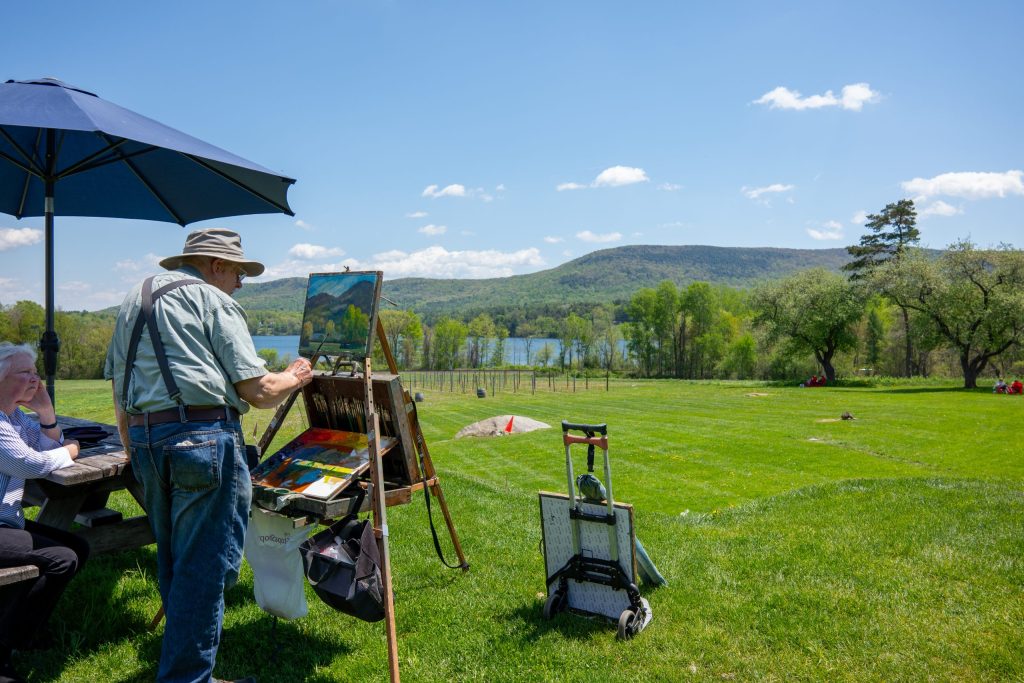
Laura Brennan, Executive Director of Berkshire Regional Planning Commission, explained that organizers began allowing artists to charge for their events while continuing to encourage low-cost, accessible programming.
That flexibility, along with an Open Studios series carried over from ArtWeek Massachusetts, allows artists across the region to host their own experiences.
None of these programs depend on a single organization.
ArtWeek Berkshires is supported by five Cultural Districts, most of them led by volunteers, each contributing part of their Cultural District Initiative Grant to a shared budget. Berkshire Regional Planning Commission coordinates the effort, 1Berkshire hosts the event’s website and registration, and local artist guilds organize group activities such as plein air painting sessions.
In Gloucester, Discover Gloucester has managed marketing and public relations for Culture Splash from the beginning, while organizations such as Cape Ann Plein Air and Cape Ann Art Haven contribute to the programming.
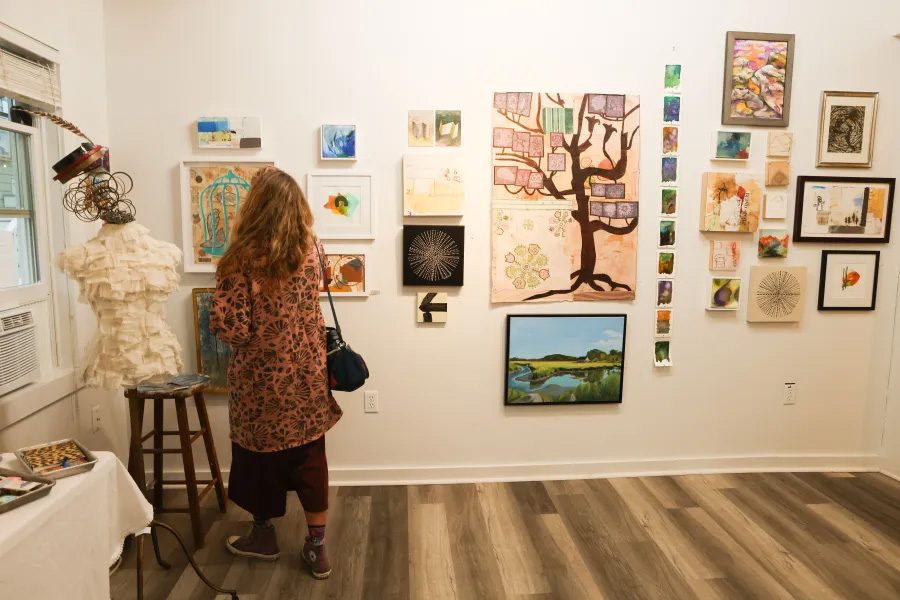
The Fenway Alliance relies on a committee of programming and marketing staff from its member institutions, along with membership dues, corporate partners, and grant funding.
As Kali noted, small teams cannot do everything on their own, and strong partnerships make it possible to accomplish much more.
Every presenter emphasized that artists should be treated as essential partners.
Kali described Springfield’s practice of involving artists from the beginning of planning rather than bringing them in after key decisions have been made.
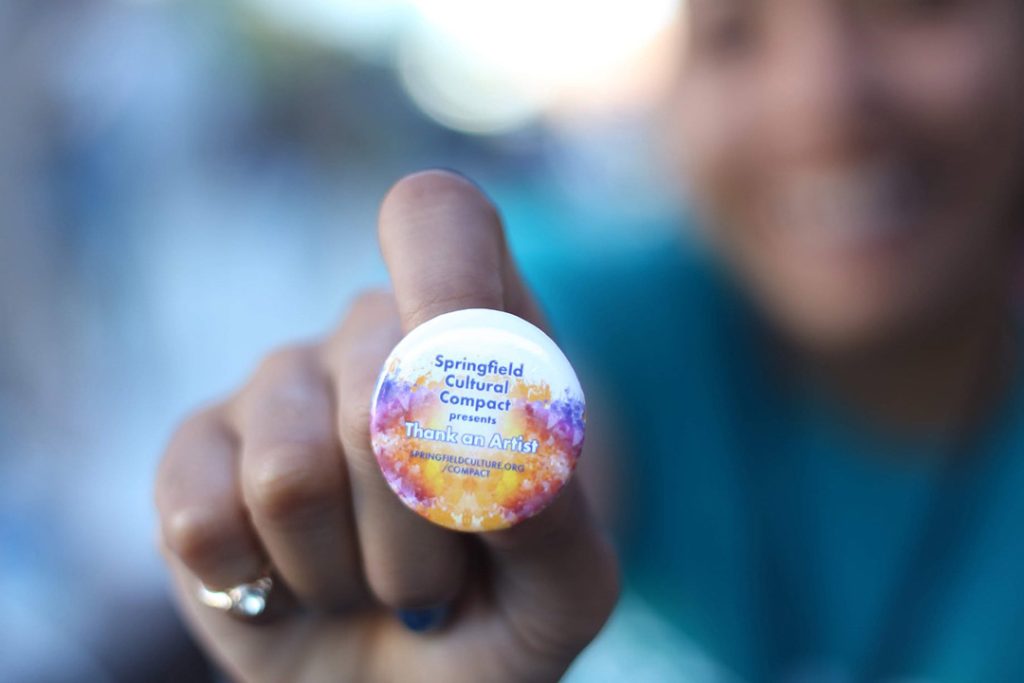
When artists help shape a project from the start, it becomes easier to advocate for the funding needed to support their work. The Partnership pays artists across its programs, including those leading activities at existing festivals. Its Thank an Artist initiative highlights local artists through festival showcases and a weekly radio segment that shares free arts and culture resources.
Through the Trust Transfer Project, led by Director Vanessa Ford, the Partnership also offers a six-month fellowship where cohorts of artists deepen their practice and receive technical support.
Opening Our Doors and Culture Splash both pay performers.
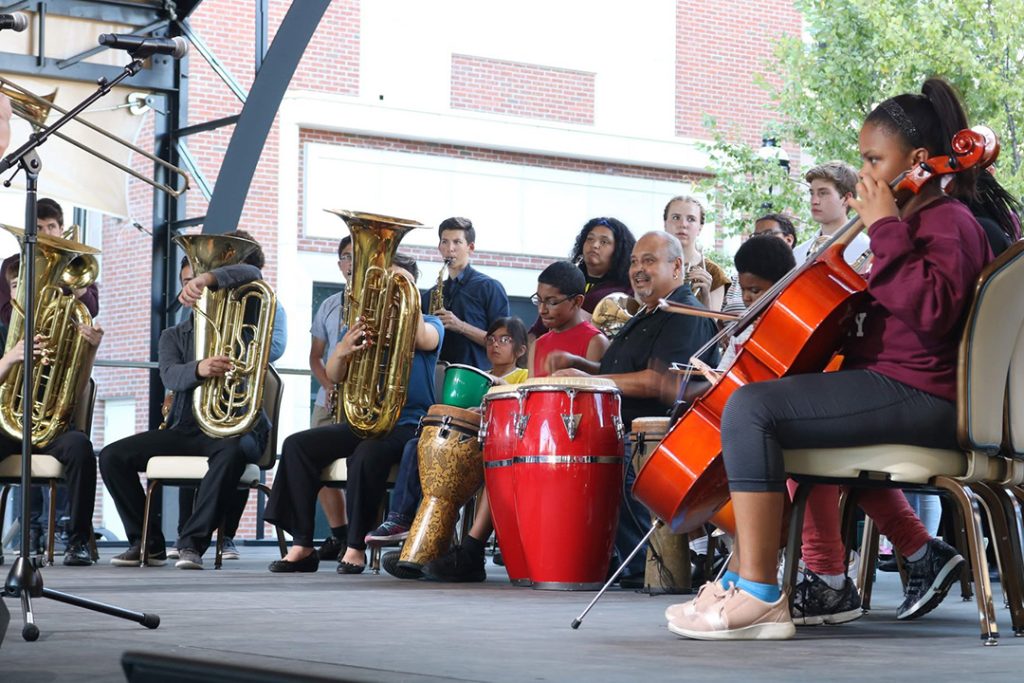
ArtWeek Berkshires supports artists in a different way. Although it cannot offer stipends at this time, the five districts use their pooled Cultural District Initiative Grant funds to give participants something many could not secure on their own: countywide visibility.
Most of the shared budget goes toward print, radio, digital, and billboard promotion. Participants also receive marketing toolkits so they can promote their events through their own social media and newsletters. From a planning perspective, the model allows five districts to accomplish together what none could afford individually, while helping each investment reach further. Laura noted that this support is especially valuable for artists who are just beginning to share their work with the public.
Funding was the most frequently mentioned challenge.
Karen described how dependence on grants can cause a small organization’s work to shift from one project to another based on available funding.
After running a four-month pop-up space that hosted 73 community events over 59 days, the Partnership moved on to installing Sounds of Springfield, six large musical sculptures in Tower Square Park, followed by curating and managing art tents during festival season.
To create more consistency, the Partnership is building on the Trust Transfer Project, which began during the pandemic when artists created culturally relevant health messaging for their own neighborhoods. The project now brings arts programming to youth, elder, and post-incarceration service spaces in partnership with health and community organizations.
The first year of a new program can also be especially difficult.
When the Partnership served as fiscal agent for Fresh Paint Springfield, a mural program curated by Common Wealth Murals, persuading building owners to participate in its first year was a major challenge.
Once the first murals were complete, owners began requesting their own, and Springfield now has more than 80 murals on its buildings.
As these programs have grown, gathering feedback from participants and audiences has helped each district refine its approach.
The Fenway Alliance once worked with Northeastern graduate students to conduct surveys during the festival. ArtWeek Berkshires surveys participants each year and encourages them to post QR codes that attendees can use to share feedback.
On Rocky Neck, galleries collect comments in guest books, and Culture Splash participants discuss the program at an annual arts and culture roundtable.
Districts should also expect partnerships and staff capacity to change over time.
Opening Our Doors was nearly discontinued because of burnout, and this year Gloucester’s Harbortown Cultural District pursued a separate campaign, so Culture Splash took place only on Rocky Neck instead of in both Gloucester Cultural Districts.
Just as often, these programs produced benefits no one had planned for.
Opening Our Doors helped inspire a citywide cultural access program, and SIDEPresents grew from a festival partner into an organization collaborating directly with major institutions.
In Springfield, vacant storefronts featuring local artwork and QR codes linked to property listings saw a significant increase in listing views, and three of those spaces have since been leased.
Their artist-designed campaign promoting “1-800-QUIT-NOW,” a national and state tobacco cessation helpline, was later adopted by other health organizations in the region.
On Rocky Neck, the change in partnership led to a record year, as the neighborhood’s compact layout – with about 20 businesses and organizations located within six blocks – proved to be an excellent fit for a three-hour evening event.
Many elements of these programs can be adapted by other districts, including a consistent schedule, manageable expectations for participants, support for artists, shared marketing, and partnerships with events that already attract audiences.
Other elements depend on the unique characteristics of each place. The Fenway Alliance has 22 member institutions within walking distance of one another. Rocky Neck has its harbor and walkable neighborhood. The Berkshires benefit from a regional planning commission experienced in Cultural District work. Springfield has built strong relationships with its business improvement district and local health organizations.
The goal is not to reproduce another district’s program. As Kali said, the strongest approach is to begin by “looking at what’s already happening and building from there, rather than starting from scratch.”
Kelly acknowledged that it is difficult to explain exactly why some events become beloved traditions. She described a kind of “magic” that is hard to define, but she also pointed to one factor that came up throughout our conversation: trusted partnerships.
Kali offered advice echoing Kelly and Genevieve’s reminder to let go a bit. She encouraged districts to “let go of control and be okay with letting things evolve.” In Springfield, painted pianos and utility boxes became the seeds of something much larger.
These Cultural Districts’ programs began with a clear purpose, stayed responsive to their communities, and gave partners room to shape the work. They also remained focused on creating experiences people genuinely enjoy.
Applications for a Cultural District designation are now open until February 8, 2027.
For questions about the Cultural District Program, contact Timothea Pham.