Power of Culture Blog
Mass Cultural Council Adopts $35M FY27 Spending Plan
New investments to strengthen and sustain the arts, humanities, and sciences across the Commonwealth

Käthe Swaback, Program Officer
Shared indicators are being developed nationally and statewide to strengthen Creative Youth Development evaluation, advocacy, and collective impact
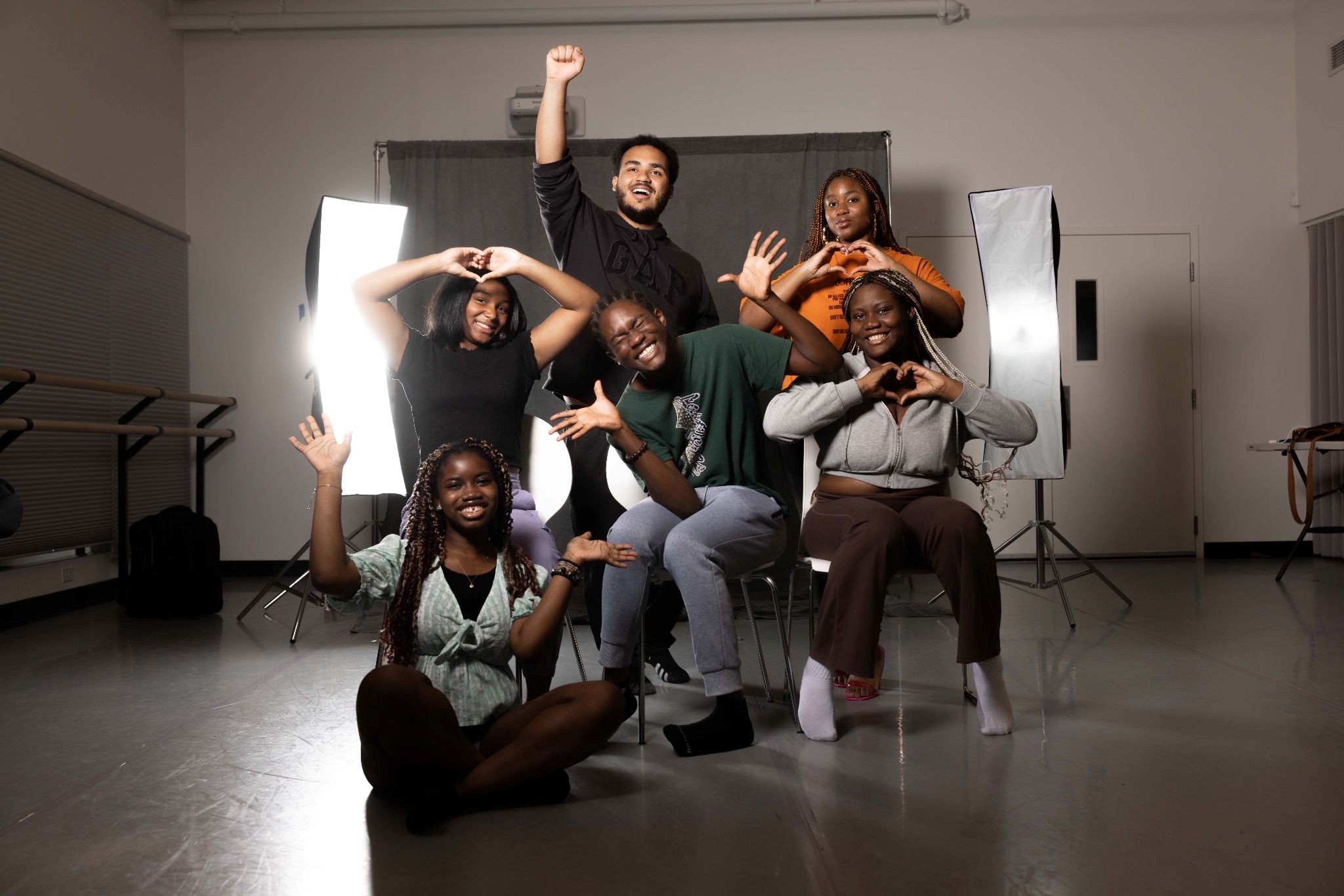
“The future of Creative Youth Development depends on more than compelling programs. It depends on our ability to generate evidence that reflects our values, honors youth expertise, and advances social justice. That is what the 3C Data Alliance is building. Not just better data, but a better way of learning together.”
– Evelyn Francis, The 3C Data Alliance: Building Data Equity in the field of Creative Youth Development
Last week, the Global Extended Learning and Youth Development Association published a Creative Youth Development-themed double issue of Extensions magazine, bringing creativity, cross-sector partnerships, and research to the forefront.
The issue, edited by Denise Montgomery of CultureThrive, introduces the Create, Connect, and Catalyze Framework to an international stage, and features contributions from researchers, young people, and practitioners from around the world.
Through our partnerships on the Create, Connect, and Catalyze framework and its national use in the 3C Data Alliance, Mass Cultural Council is working statewide to develop a common language across the field of Creative Youth Development (CYD). These efforts will offer more specific ways to look at collective impact, provide CYD organizations with insights into ways to improve, bolster ways to speak across sectors, and provide further tools for advocacy.
Creative Youth Development is a term for a holistic practice that integrates creative skill-building, inquiry, and expression, with positive youth development principles, fueling young people’s imaginations and building critical learning and life skills.
The CYD field has a long history of asking important questions to both better define the field and broaden equity and inclusion within the field, especially as it relates to impact. Questions such as, “Which voices are heard?” and “What counts as evidence and who gets to decide? Are there creative ways to implement questions that speak the language of the arts? How is this shared with participants? Who benefits? How does this improve programs? How can collective data be used for greater systems change?”
In 2014, 200 thought leaders and young people convened to further define the newly authored term of Creative Youth Development. After this national convening in Boston, a Collective Action for Youth – Policy and Advocacy Agenda evolved and was focused on three key areas and teams. One of those three teams, focused on “Visibility and Impact” with the charge to “document and boldly communicate the vital impact and experience of creative youth development.”
After meeting for two years, completing a landscape analysis, and meeting with CYD organizations across the nation, the words “create”, “connect”, and “catalyze” surfaced as three core CYD outcome areas. These outcome areas were also fueled with the values of youth voice, racial and social equity, and collective action at the center of CYD work.
The Youth Arts Impact Network (YAIN) also began in 2014 and has since met regularly to share evaluation knowledge, explore the development of evaluation tools, and identify resources that could best meet their measurement and evaluation needs. This work has increased knowledge sharing, strengthened the local youth arts field, and has expanded to include conversations with the wider, national CYD field.
In 2021, Mass Cultural Council began a formal partnership with the Boston-based nonprofit EdVestors to extend the impact of YAIN. The YAIN CYD Task Force, composed of CYD professionals, practitioners, and alums met for a year to discuss, research, and arrive at aligned indicators that further described the national outcome areas of Creative Youth Development.
The William & Flora Hewlett Foundation’s Ten Dimensions of Powerful Arts Education proved to be a solid anchor for the work to describe how programs build high-quality creative learning environments with young people. These indicators were then tested across Massachusetts with focus groups of young people and CYD practitioners both inside and outside YAIN to further inform how the CYD National Framework could speak to the specific work of the sector. As reports become available, YAIN has also continued to connect the framework to important research.
“When we respect and listen to young people, the paradigm shifts. Who gets to tell the story of well-being, who gets to update culture as a behavioral asset, who gets to make meaning of the data, and who gets to turn that data into action?”
- Cynthia Weaver, Engaging Youth to Guide Research on Their Own Well-Being
Historically, marginalized groups have been denied access to utilizing data. Systems for capturing data and analysis are often out of reach for young people and CYD organizations, thereby preventing them from designing and using data to represent themselves and their lived experience. Furthermore, inconsistent approaches to measurement often have prevented them from speaking in a collective voice or to other sectors.
In 2025-2026, YAIN’s goal in designing convenings was to breathe further life and action into the indicator framework to drive conversations, share best practices among YAIN members, and add to the capacity of the CYD field.
In the past year, YAIN created an updated CYD Indicators Framework as a new user-friendly resource for organizations wishing to see which indicators and outcomes best align with their work. (A one-page description and complete framework are available online).
These latest tools allow for open access to CYD organizations as they seek to form their own “special sauce” in their recipe of better understanding their impact.
The framework is designed to help CYD organizations identify what’s working well and where improvements are needed, ensuring programs truly meet young people’s needs and support their interests, relationships, and opportunities for growth and change.
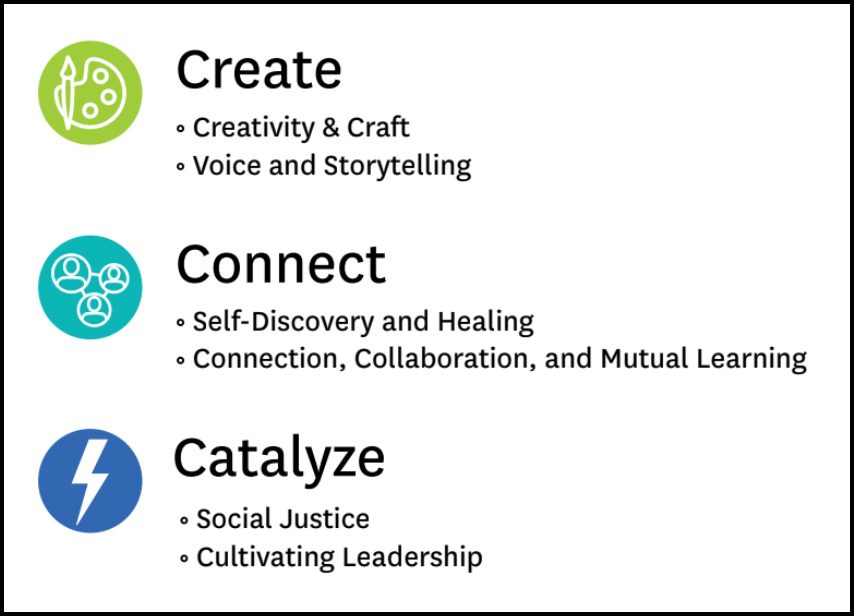
The new framework expands upon the original three key areas:
These three key outcome areas continue to have indicators that evolve as organizations identify and refine their own understanding of impact.
In addition, the statewide free office hours, offered by Julia Gittleman, (Mendelsohn, Gittleman, and Associates) are part of Mass Cultural Council’s public-private partnership with EdVestors. This has allowed CYD organizations to more deeply understand and describe their impact and to give feedback on the use of these tools.
Topics covered in office hours included designing a logic model, how to design a survey, data analysis techniques, and how best to set up systems to use data to tell your story. In this past year, 26 organizations participated in more than 100 sessions.
CYD organizations have also repeatedly asked Mass Cultural Council for an easier way to document, access, and analyze their own data. A vision of streamlined systems and tools for easy data collection, available for both small and large CYD organizations, developed with an equity lens, began some 10 years ago.
Through the 3C Data Alliance, this vision has further developed into a model of how access to these co-designed systems can create a shared language for powerful collective impact communication across multiple sectors.
The 3C Data Alliance community of eight member CYD organizations have worked with their young people to complete a collective impact survey with 14 indicators that evolved from the updated YAIN framework. Young people and CYD organizations will now work through the process of analysis this summer.
With hundreds of surveys and artistic responses, Youth Ambassadors and Steering Committee members will aggregate and analyze the data in order to gain a deeper understanding of who they are, what they have learned, and the collective impact that has resulted because of their change-making across communities.
“Emerging evidence suggests that the strongest outcomes arise out of co-created programs (i.e., youth co-leading the work from ideation through evaluation), trauma-informed approaches, culturally-attuned opportunities, and iterative adaptation of programs based on evaluation and ‘what works’.”
– Dr. Tasha Golden, Arts-Based Strategies for Youth Mental Health: The Role of Creative Youth Development