Power of Culture Blog
New Capital Investments of $706,000 Awarded for 4 Cultural Facilities
FY27 Cultural Facilities Fund applications are due by December 10, 2026

Jay Paget, Program Director
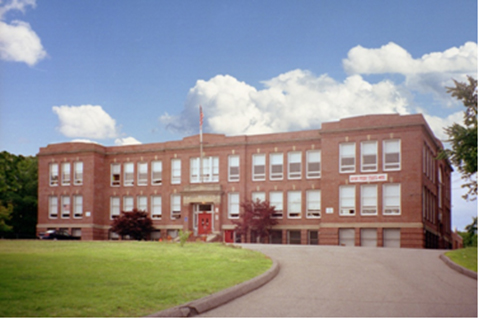
Mass Cultural Council has a suite of resources to help with the acquisition, design, and build-out of creative spaces. Over the years we have compiled a guide for creating and preserving affordable artist spaces. The guide compliments existing resources like the Cultural Facilities Fund which can provide financial support for some these projects.
One question we are asked is how to go about hiring a code consultant to assess buildings for their suitability for artist spaces. Below is an architect’s advice around code consulting and we’ve included a sample scope-of-services to get you started.
This content will be added to our Zoning, Code and Permitting section of the Artist Space Guide so from the get-go you can start down a path that is safe and in accordance with applicable codes.
As building and life-safety codes have evolved, older buildings often no longer comply with current building codes. Since older buildings, particularly industrial buildings, have qualities attractive to artists such as abundant windows, natural light, high ceilings, and solid structures, artists often prefer to rehabilitate rather than undertake new construction.
Fortunately, Chapter 34 of the Massachusetts Building Code allows latitude for renovations of existing buildings. Sticking to the preexisting use of a space (typically workspace) is treated more leniently than changing to a new use.
Keep in mind, some requirements come into effect only above certain gross building areas or when rehab costs exceed a certain percentage (often 30%) of the property’s value.
Hiring a code consultant is the best way to understand how the code applies to your project and a way to be sure you get sound advice before spending too much time or money on a project.
If you are considering hiring a code consultant, there is a Sample Scope of Services for a Code Consultant. It is a tool to become more conversant in what kinds of information to ask for and expect.
We also have a list of architects and code consultants. Architectural firms often have code consulting as part of their services.
The Cultural Facilities Fund can assist municipalities and nonprofits by helping to pay for the services of an architect/code consultant or other professionals to obtain the information necessary to analyze an existing space for artists or creative use purposes.
Conduct an on-site inspection and study that identifies the state and local code requirements to change the use of a space as identified by (the client) for one or more Occupancy Classifications.
These code requirements often include, but are not limited to: egress, improvements, bathrooms, sprinklers, elevators, full or partial seismic retrofit, additional fire stairs, handicapped accessibility, and required parking.
(Architects/Code Consultants can also provide sketches of options, hazardous materials assessments, detailed cost estimates, civil, structural, mechanical, or electrical engineering analysis.as part of the design process)
Here is a sample building analysis checklist for your architect/code consultant:
Building code checklist
Brief report
Consultant advice: Where applicable and practical, creative uses within current code regulation and potential “doable / affordable” use options. The analysis should seek out economical ways that the desired uses can be accommodated and should also identify benefits to the building owner and other tenants of any required building modifications.
You’ll want your architect/code consultant to include the following in a report, based on your proposed change of use concept(s).
CODE TYPE APPLICABLE CODE
Building 780CMR: Massachusetts State Building Code – latest edition
(International Building Code)
(International Exiting Building Code)
Fire Prevention
527 CMR: Massachusetts Fire Prevention Regulations
M.G.L. Chapter 148 Section 26G – Sprinkler Projection
Accessibility
521 CMR: Massachusetts Architectural Access Board Regulations
Electrical
527 CMR 12.00: Massachusetts Electrical Code
(National Electric Code)
Elevators
524 CMR: Massachusetts Elevator Code
(ASME A17.1)
Mechanical
International Mechanical Code (IMC)
Plumbing
248 CMR: Massachusetts Plumbing Code
Energy Conservation
International Energy Conservation Code
OCCUPANCY CLASSIFICATIONS (780 CMR 302.0)