Power of Culture Blog
Unlocking Arts & Culture Benefits in Housing
MassHousing conference surfaces the keys to enhancing arts, culture, and creativity in their spaces

Carolyn Cole, Special Projects Manager
When housing entities embrace arts and culture strategies
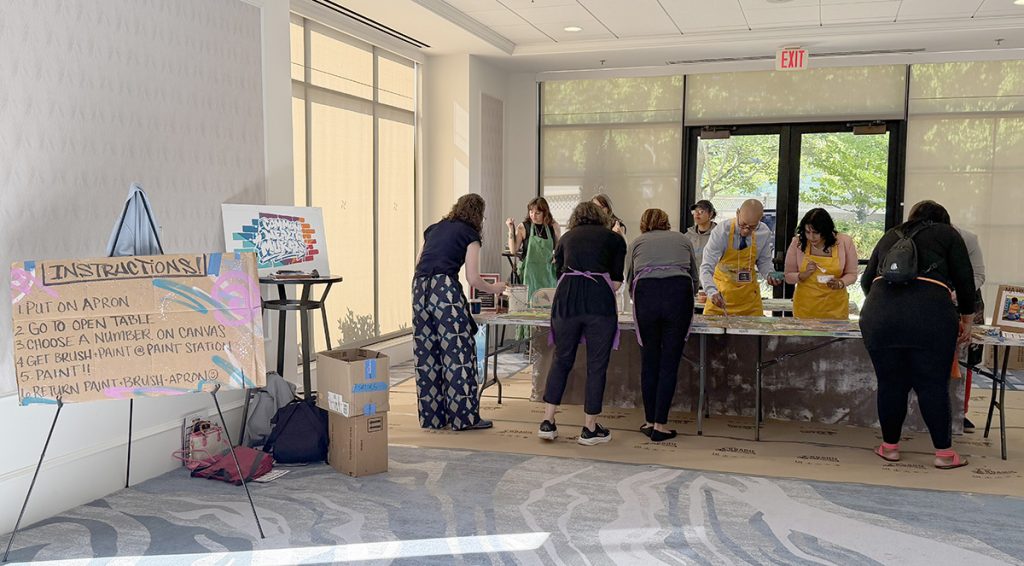
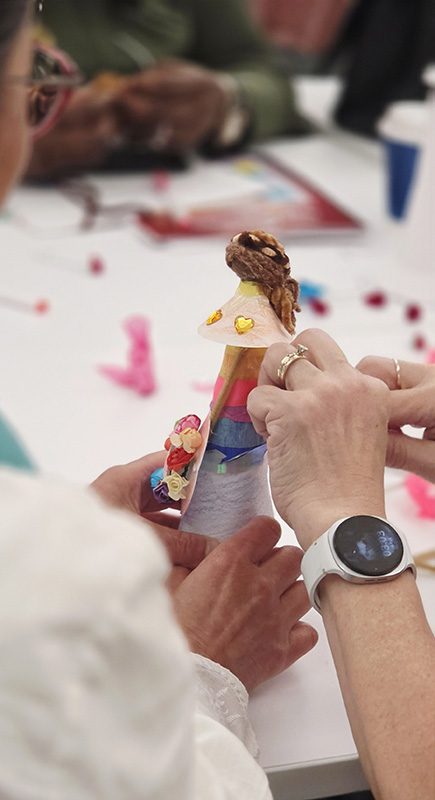
On a sunny day in June, the Four Points Sheraton in Norwood, MA was packed with artists, musicians, muralists, caricaturists, lion drummers, and pipe cleaner enthusiasts.
They’d come together for “Building Community Through Arts and Culture,” a conference produced not by one of Mass Cultural Council’s cultural partners, but by an independent state agency focused on housing.
This event was a result of months of conversation and collaboration between Mass Cultural Council and MassHousing, our (then-new) partner in the housing sector. Through these conversations we were able to deepen our understanding of each other’s work and identify how we could better collectively support Massachusetts communities.
Through our advancement efforts, Mass Cultural Council is positioning the arts and culture sector as a visible, recognized resource and an essential partner in addressing challenges across the Commonwealth.
By building strategic partnerships in areas such as health, housing, and economic development, we are working with other sectors to integrate arts and culture into efforts to address the complex challenges in their fields.
Enter MassHousing.
MassHousing (Massachusetts Housing Finance Agency) is an independent agency providing financing to low- and moderate-income homebuyers and homeowners, and to developers who build or preserve rental housing.
Their Housing Stability Department (HSD) marked FY26 as a year of focus on arts and culture and its intersection with building strong, vibrant, and resilient housing communities. To accomplish this, they provided access to resources that are not traditionally included in the scope of affordable housing finance.
“Members of the Housing Stability Advisory committee have consistently noted the importance of Arts & Culture initiatives to build community, reduce social isolation, and allow property management staff to connect with residents and understand how they can best meet the needs of those living in their housing communities.” – MassHousing memo released October 2025
In March, MassHousing awarded creative placemaking grants for resident-led arts and culture projects to promote healing, inclusivity, and belonging through cultural expression and connection to the built environment.
They invested $150,000 into seven rental communities, benefiting 1,400 residents and the artists and creative entities implementing those projects.
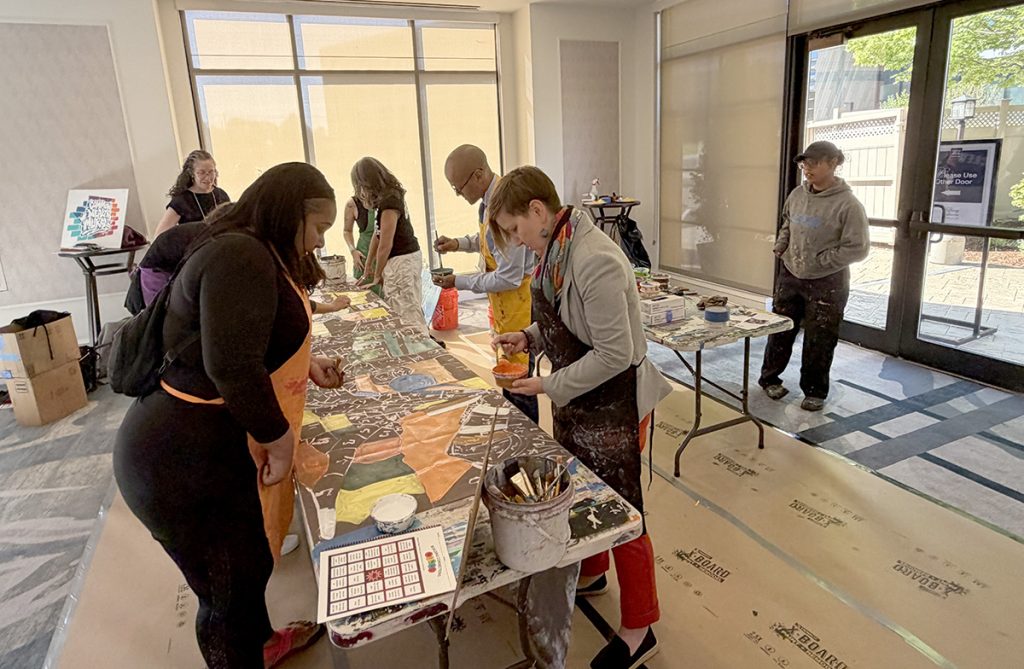
This funding is in addition to the HSD’s Tenant Assistance Program (TAP) which supports hundreds of housing developments across the state to offer resident engagement programs – including arts and culture offerings like music performances, painting workshops, and puppet shows – through more than 1,000 on-site programs and workshops engaging some 15,000 residents annually.
For these opportunities, Mass Cultural Council was invited to assist with information sessions for housing community members and constituents, and to support outreach efforts, ensuring artists and cultural organizations had the necessary access and resources to participate. This work occurred alongside numerous planning sessions with internal staff teams to inform and shape what would be an exciting new conference framework.
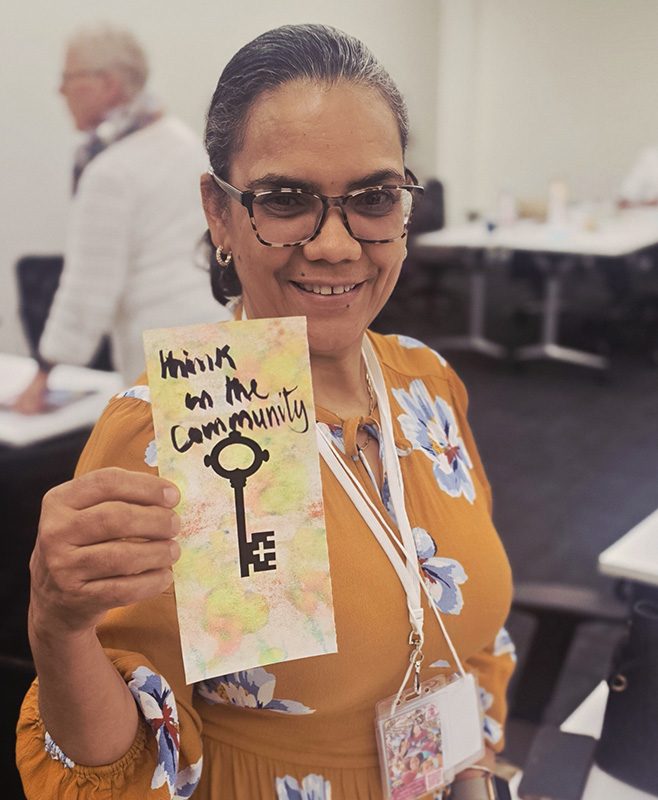
Arts and culture are necessary ingredients for healthy, whole communities as are secure and affordable housing.
Urban Institute’s Creative Placemaking and Community Safety report shows that creative placemaking improves communities by intentionally designing spaces, installations, and events to reshape social dynamics with the core benefits of enhancing public safety, fostering social cohesion, empowering vulnerable youth, and driving economic growth.
Decades of research by the Social Impact of the Arts Project of University of Pennsylvania’s School of Social Policy & Practice has found that “neighborhoods with a vital cultural life also enjoy ‘spillover effects’—including stronger community and civic engagement as well as better health, schooling, and personal security.”
Ultimately, this approach creates a powerful economic and social ripple effect; by combining arts-based programming with labor market readiness, communities can successfully engage at-risk populations, combat unemployment, and deter crime across the broader neighborhood ecosystem.
(You may have seen a writeup of Mass Cultural Council’s recent work with MACDC and their community development corporation membership base that examined just how placemaking collaborations are increasingly incorporating arts into infrastructure and belonging initiatives.)
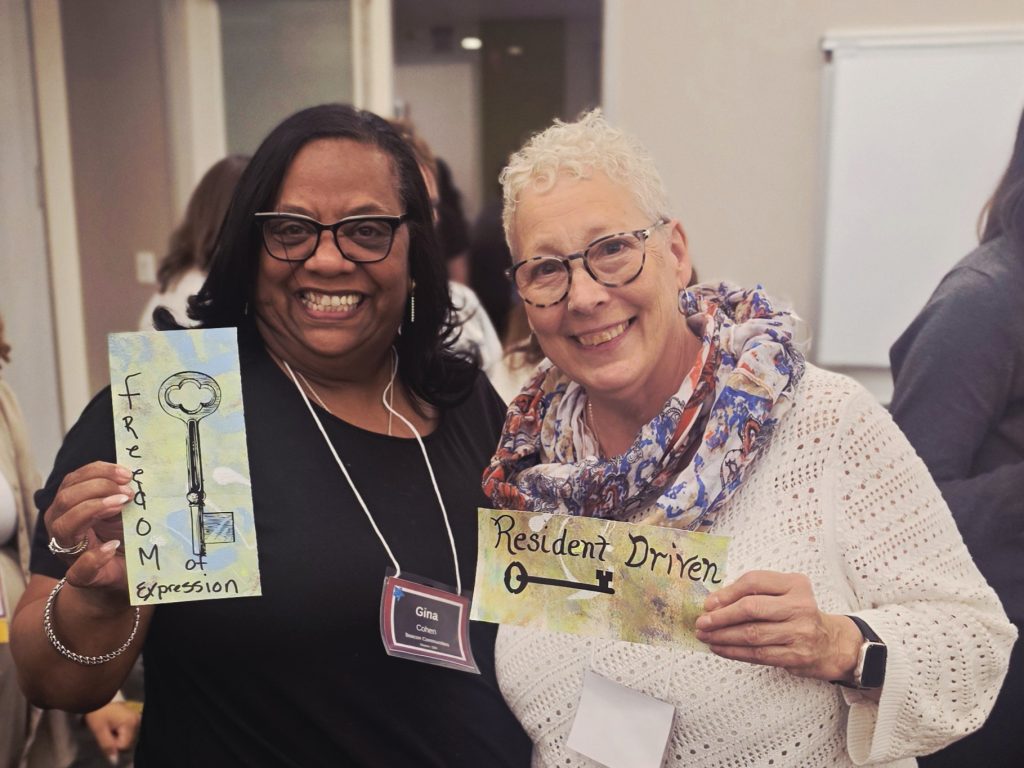
The HSD’s FY26 focus on arts and culture culminated at their spring conference, “Building Community Through Arts and Culture,” grounded in the idea that arts and culture play a meaningful role in supporting resident well-being and strengthening community.
The conference was designed to help resident services coordinators and housing staff gain practical strategies, experiential insights, and valuable professional connections to integrate cultural programming intentionally into affordable and public housing settings.
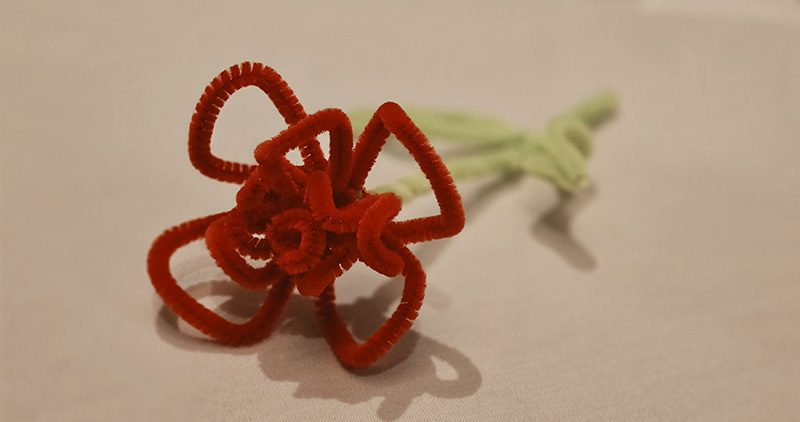
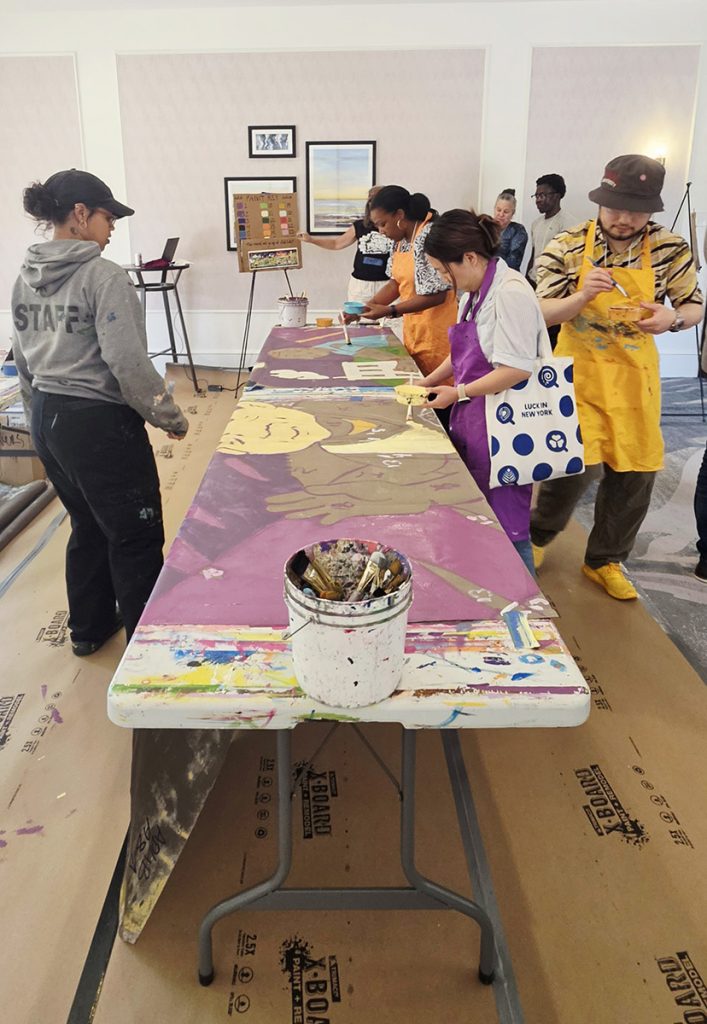
Participants included staff from TAP enrolled sites and non-TAP enrolled site staff or service providers, panelists, vendors, doctors, community development corporations, creative youth development administrators, leaders in creative aging, immersive improv teachers, Mass Cultural Council staff, and Worcester Cultural Coalition volunteers, as well as the aforementioned artists, musicians, muralists, caricaturists, lion drummers, and pipe cleaner enthusiasts!
There were keynotes, panel discussions, a resource fair, and afternoon workshops – all for roughly 300 attendees.
To get a sense of the sentiment in the room, here is some of what we heard that day:
“Everyday creativity is a capacity we all have.” – Dr. Krina Patel
“[Arts can] reinforce a sense of innate purpose.” – Mark Teden, VP Multifamily Programs, MassHousing
“Art saved my life.” – Thaddeus Miles, Resident and TAP service provider
When housing entities embrace arts and culture strategies, they transform spaces into places and residents into stakeholders.
This is just the beginning of our relationship and work with Massachusetts’s thoughtful partners in housing.
Special thanks to Helena Padellaro, Kara Johnson, Libby Hayes, and the whole team at MassHousing and their Housing Stability Department for reaching out, inviting us to help collectively shape this work, and for building community through arts and culture.