Power of Culture Blog
Unlocking Arts & Culture Benefits in Housing
MassHousing conference surfaces the keys to enhancing arts, culture, and creativity in their spaces

Lauren Bjella, Program Officer
Falmouth Cultural Council is expanding its work and impact by strengthening community relationships
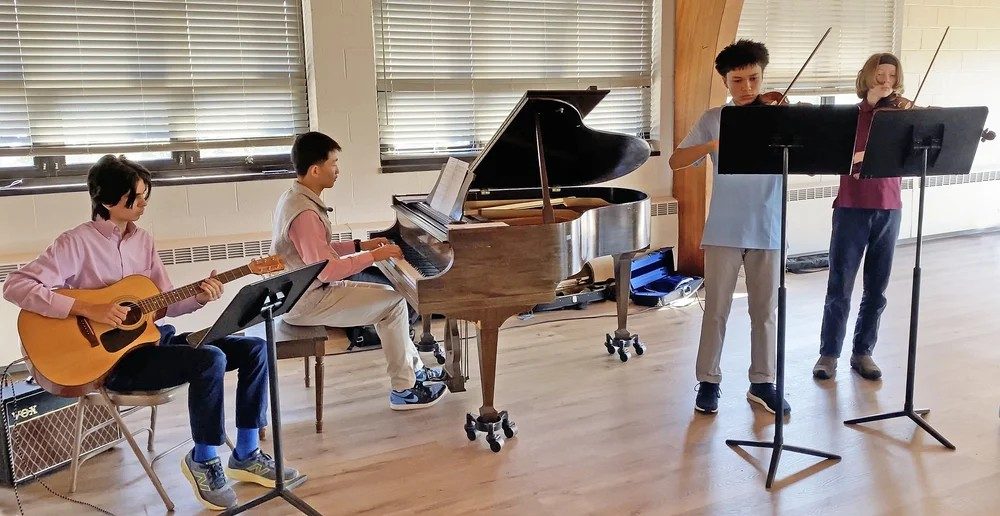
Grantmaking is the core of every Local Cultural Council’s (LCC) work. For Falmouth Cultural Council, that foundation has been supported by an intentional focus on listening, building trust, and understanding the community beyond their grantmaking.
Over the past several years, the LCC has expanded its impact by strengthening relationships throughout the town. From increasing local awareness of Card to Culture and launching Music at the Table, to securing additional municipal funding and welcoming youth members, each initiative grew from the same place: listening to individuals and responding to what they heard.
Along the way, those initiatives have had an unexpected impact on the LCC’s core grantmaking efforts. Falmouth Cultural Council has seen a 70% increase in grant requests since 2021, having built authentic connections with the organizations and residents it serves.
Their story offers one example of how Local Cultural Councils can deepen their role in a community, grow their grant program, and explore new ways to support arts and culture.
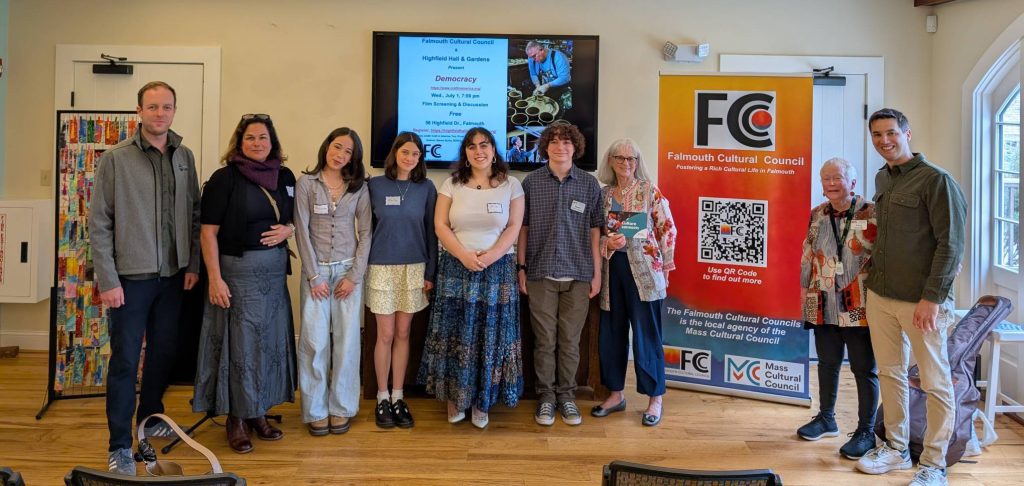
For Falmouth, building connections in the town started with creating a strong foundation within the LCC itself. Regular monthly meetings helped members stay connected as a team, make decisions together, and create momentum for new ideas.
Chair Alice Kociemba emphasizes that while a consistent meeting rhythm is an important foundation, meaningful community engagement requires looking outside LCC meetings.
“You don’t learn about the needs of the community by sitting in town hall once a month,” she said. “You have to have a balance.”
That balance meant showing up consistently in places where residents were already gathering, not only at arts events, but also in schools, community programs, and through conversations with local organizations. Over time, those repeated touch points helped build trust and made it easier for residents to share ideas, needs, and challenges.
Rather than hosting grant information sessions that attracted the same familiar faces each year, the LCC wanted to better understand who was missing from the conversation.
“We asked, ‘Who isn’t at the table?’” Alice said.
That question helped guide many of Falmouth’s efforts. They worked with local schools to bring youth members onto the LCC, creating opportunities for students to learn about arts administration and grantmaking while bringing new perspectives to the council’s work. LCC members and community partners also helped ensure information reached residents who might not otherwise see it, including through Portuguese-language outreach.
The question of “who” also encouraged the LCC to look at its own place within Falmouth. Alice realized that while the LCC was connecting with residents and organizations, there was an opportunity to strengthen its relationship with local government as well.
“I realized we didn’t receive any municipal money from the town,” she said.
The LCC began learning more about how the municipal process worked and how to advocate for additional support. By connecting with individuals who understood the town meeting process, the LCC gained new insight into how to navigate municipal government and build support for its request.
“Don’t be afraid to make mistakes, that’s how you learn who your allies are,” she said.
The LCC’s efforts resulted in receiving additional municipal funding and helped members better understand how to work within their local government, a relationship that continues to support the LCC’s ability to serve the community.
The LCC also looked for ways to strengthen relationships with grantees. By staying connected with grant recipients throughout the year, LCC members gained a better understanding of the work happening in the community and created additional, ongoing opportunities to hear directly from residents.
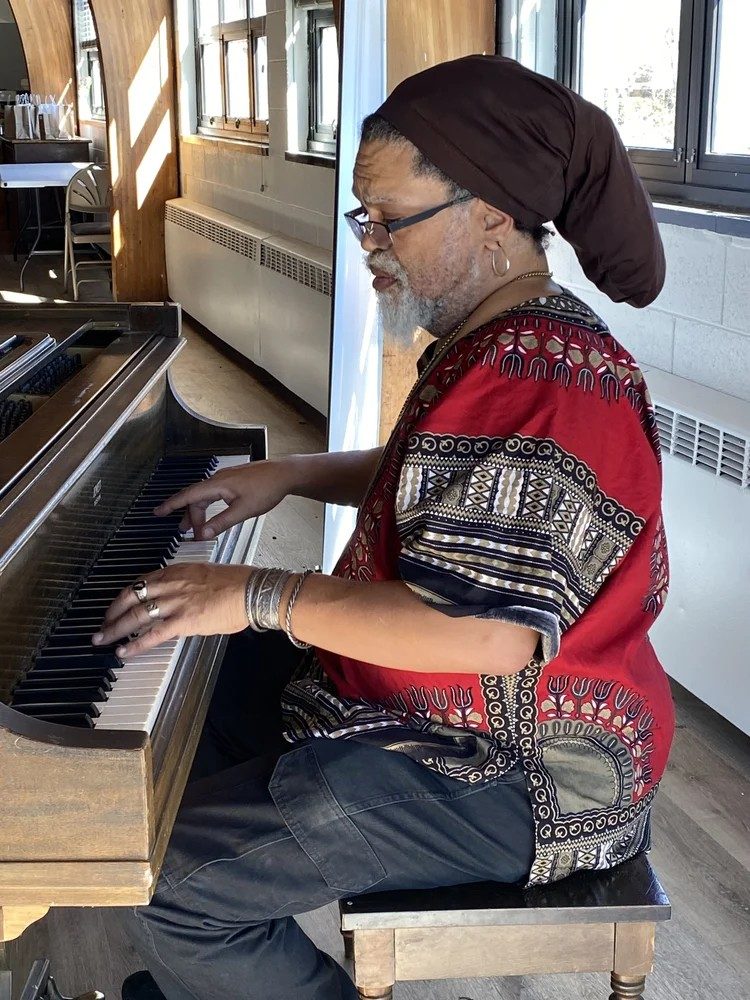
Falmouth Cultural Council’s community conversations and surveys led directly to new initiatives, one of which became Music at the Table.
While speaking with guests at A Place at the Table, a free community lunch program in Falmouth, Alice heard from a resident experiencing homelessness who shared that he missed having access to live music.
“I wouldn’t have had the idea for Music at the Table if I hadn’t been out in the community,” she said.
The LCC began exploring how music could become part of the existing lunch program. They built relationships with community partners, connected with musicians, and worked with A Place at the Table to understand what would best support their guests. One piece of advice from community partners stood out: hire talented musicians and pay them.
Sustaining Music at the Table requires creative partnerships. Because Falmouth Cultural Council is not a nonprofit organization, they looked for ways to connect with funders. They reached out to Falmouth Together We Can, a local nonprofit, that helped create a pathway for foundations and organizations to contribute funding. Through this partnership, Music at the Table has been able to continue growing and serving the community.
Since launching in December 2023, Music at the Table has grown into a weekly live music program for community members experiencing homelessness, financial stress, or social isolation. The program has raised more than $27,000 and secured funding to continue through 2027.
Once, when a musician was running late to perform at the lunch program, a guest asked if she could sing. The woman spontaneously shared her talent and operatic training with the Music at the Table community by performing “Somewhere” from West Side Story.
“You never know the talents and experiences people bring with them until they have a chance to share them,” Alice said.
To thank the guest for sharing her talent that day, the LCC arranged for her to attend a performance of My Fair Lady at the College Light Opera Company.
For Alice and the LCC, moments like this underscore the importance of being a part of welcoming spaces where community members can share their talents, experiences, and stories.
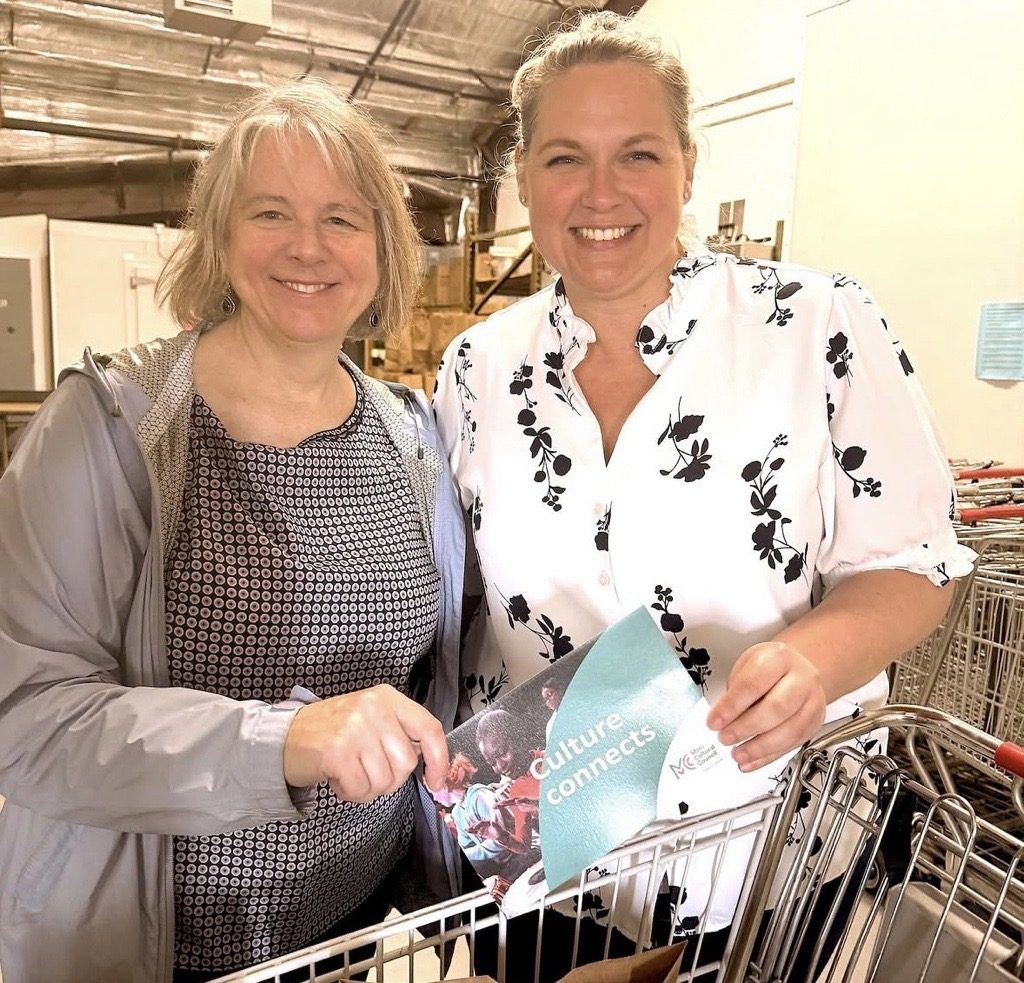
The same approach shaped Falmouth Cultural Council’s Card to Culture outreach. Through conversations with residents, LCC members realized that many people were unaware of this program offering EBT, WIC, and ConnectorCare cardholders free or steeply discounted admission to some 600 arts, humanities, and science organizations across the Commonwealth.
While exploring ways to expand Card to Culture awareness, Alice came across a blog post by Lindiana Flores, Mass Cultural Council Program Officer, that highlighted the importance of making cultural opportunities feel accessible to everyone.
“I was so struck by what Lindiana wrote about Card to Culture when she wrote, ‘Card to Culture is about changing ‘I can’t afford that’ to ‘I can do that.’” said Alice. “That was really inspiring to me and the whole council.”
She began researching organizations participating in Card to Culture and found that while many local groups offered the benefit, those opportunities were not always easy for cardholders to find.
Using Mass Cultural Council’s Card to Culture resources, the LCC created their own centralized webpage with local and regional opportunities and shared information through community partners. They also worked to make resources more accessible to Portuguese-speaking residents through translated materials and community connections.
In a year when the LCC was not conducting a community input survey, they intentionally redirected that same time and energy into Card to Culture outreach.
“It took about as much work as the survey,” said Alice.
LCC members shared Card to Culture information through schools, community centers, human service organizations, veterans’ services, and other trusted organizations that could help reach residents who might not otherwise find these free and discounted cultural opportunities.
The effort also encouraged participating organizations to promote their own Card to Culture discounts, helping expand awareness throughout the region.
How Is Your LCC Strengthening Community Beyond Grantmaking?
LCCs are finding creative ways to connect with residents, build partnerships, and respond to community needs. If your LCC has launched an initiative, created a new partnership, or found a unique way to engage your community, we would love to hear about it.