Power of Culture Blog
Unlocking Arts & Culture Benefits in Housing
MassHousing conference surfaces the keys to enhancing arts, culture, and creativity in their spaces
Timothea Pham, Program Officer
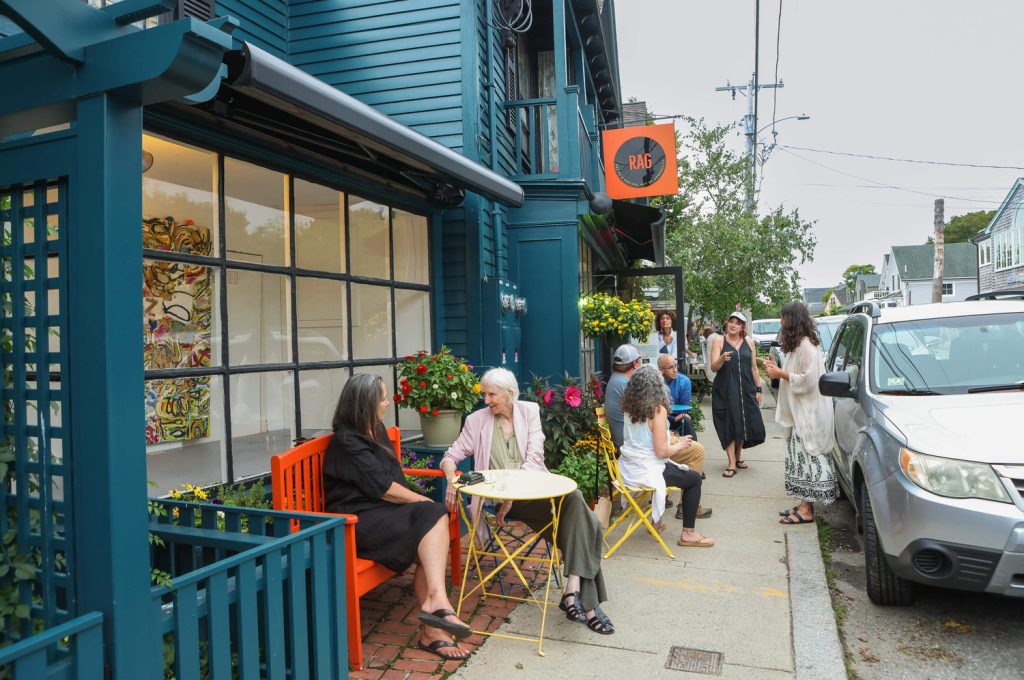
The Massachusetts Cultural Districts Initiative has driven economic growth in communities across Massachusetts for more than a decade. Established in 2011 through an act of the state Legislature, it has grown to include a network of 58 state-designated Cultural Districts stretching statewide, including Gateway cities and small rural towns, as well as working waterfronts and vibrant downtown main streets.
Each one is a unique, navigable, place-based area where cultural facilities, creative businesses, historic resources, and community life overlap and reinforce one another.
Today, Mass Cultural Council is pleased to announce that the Cultural District Designation application is now open to prospective communities. A virtual information session is scheduled for 11am on July 14, 2026. Application materials are available in translation upon request and are due by February 8, 2027.
A state-designated Cultural District has official standing under Massachusetts law. The designation connects host communities to state programs and resources that can be hard to access on your own, including economic development tools, grant funding, and partnerships across state government. Mass Cultural Council serves as the connector, and our Cultural District Investment Grants are one part of that much larger ecosystem of support.
The designation is also built for continuity. Rather than a fixed term, Districts are assessed each year through an annual report, keeping the focus on ongoing growth and support. The work is meant to take root and deepen over time.
As the network of Cultural Districts has grown over time, so has the complexity of what communities need. In 2024 and 2025, Mass Cultural Council undertook a comprehensive redesign, working with partners and stakeholders to assess the program, gather feedback through surveys and focus groups, and convene a cross-sector task force of more than two dozen state agencies and quasi-governmental organizations.
The new Cultural District Designation guidelines build on the strong foundation that existing Districts have already established, reflecting what we heard from communities and partners throughout the redesign process. Designed to set up Districts for long-term success, updated requirements for designation include:
The guidelines for Cultural District Designation are online. The application process begins with a Letter of Intent, followed by a meeting with Mass Cultural Council staff. Applications are reviewed by a committee that includes key state agency partners. Finalists are then asked host a site visit, and the governing Council makes final decisions.
We encourage communities that are curious about designation to read the guidelines, register for the information session, and reach out to program staff. The 58 Districts that exist today were built with intention, care and genuine partnership across municipal, cultural, and business sectors. We look forward to welcoming communities into that work.